Spring Gardening & Yard Tips with Pets
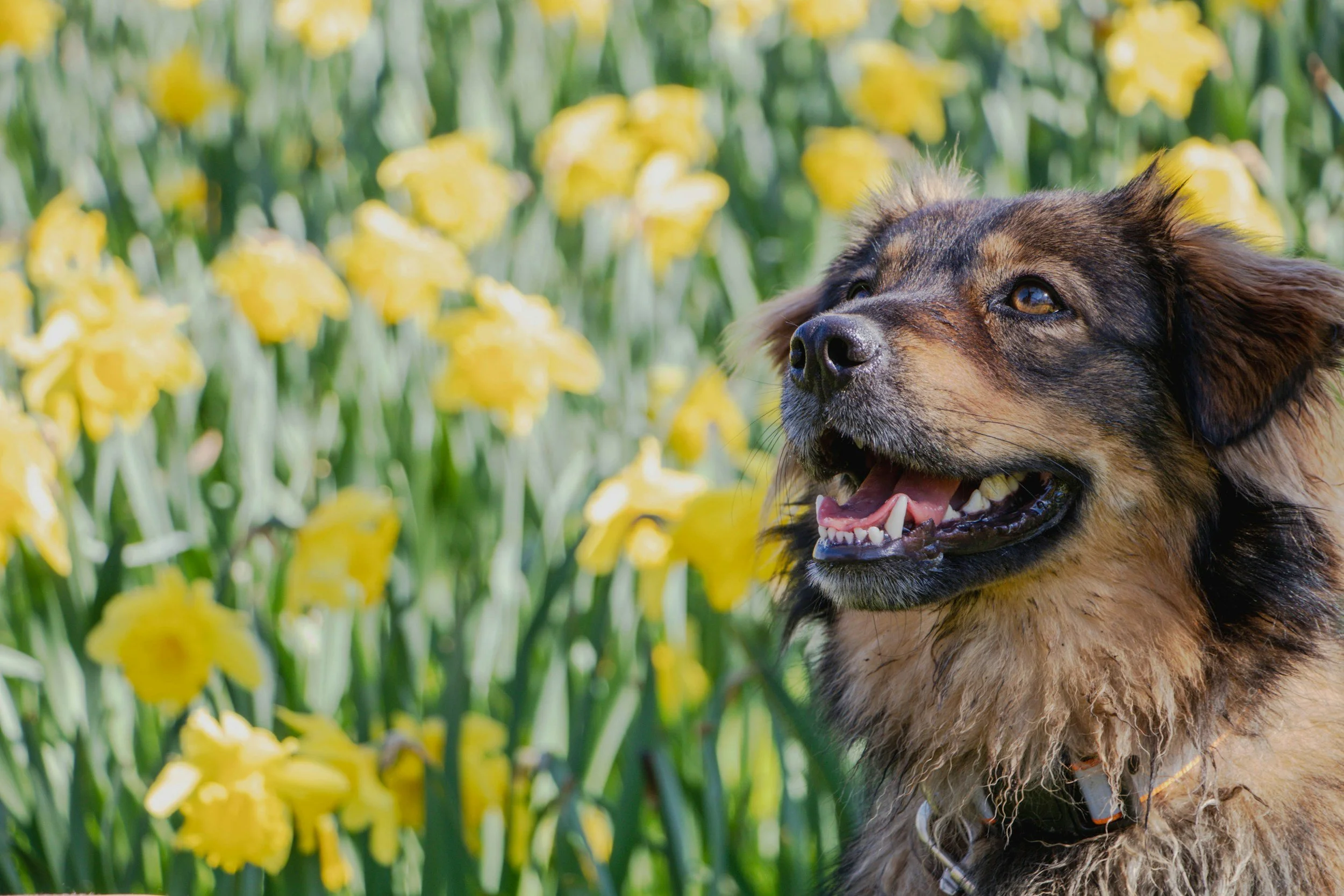
Spring in Vermont means muddy paws, blooming flowers, warmer days, and more time spent outdoors with our dogs. As many families begin gardening and cleaning up their yards after winter, it’s important to remember that some common plants, mulches, fertilizers, and yard products can actually be dangerous for pets.
Creating a pet-friendly outdoor space doesn’t mean sacrificing a beautiful yard, it simply means making safer choices for the animals we love.
Dog-Safe Plants for Your Spring Garden
If your dog enjoys sniffing around flower beds or helping you “dig” in the garden, choosing pet-safe plants is a great way to reduce risk.
Some Dog-Friendly Spring Plants Include:
Sunflowers
Snapdragons
Marigolds
Petunias
Zinnias
Roses
Camellias
Magnolias
Basil
Rosemary
Thyme
Mint
Plants That Can Be Toxic to Dogs
Many popular spring flowers and landscaping plants can cause serious health issues if ingested. Even small amounts of some plants can lead to vomiting, diarrhea, drooling, heart issues, or worse. If you believe your pet has eaten a toxic plant, contact your veterinarian or the ASPCA Animal Poison Control Center immediately. (ASPCA Poison Control Phone Number: (888) 426-4435)
Tulips
Daffodils
Lilies
Azaleas
Rhododendrons
Foxglove
Oleander
Sago Palm
For a larger list of plants view the ASPCA website here: https://www.aspca.org/pet-care/aspca-poison-control/toxic-and-non-toxic-plants
Cocoa Mulch: A Hidden Danger Many Dog Owners Don’t Know About
One spring landscaping product many people don’t realize can be dangerous is cocoa mulch, sometimes sold as cocoa bean mulch or cocoa shell mulch.
This mulch is made from cocoa bean shells and contains theobromine and caffeine, the same compounds found in chocolate that are toxic to dogs. Because it smells sweet and chocolate-like, many dogs are tempted to eat it. Cocoa mulch can sometimes be found at garden centers and landscaping suppliers here in Vermont during the spring season, so it’s important for pet owners to read labels carefully before purchasing mulch products.
Signs of Cocoa Mulch Toxicity May Include:
Vomiting
Diarrhea
Restlessness
Increased heart rate
Tremors
Seizures in severe cases
Safer Mulch Alternatives for Pet Owners:
Pine bark mulch
Cedar mulch
Hemlock mulch
Untreated wood chips
Use Lawn Products Carefully
Fertilizers, weed killers, pesticides, and lawn treatments can irritate paws and become dangerous if ingested. Remember: “natural” or “organic” does not always mean safe for pets.
Safety Tips:
Keep pets off treated lawns until products are fully dry
Store lawn chemicals securely
Follow label instructions carefully
Consider pet-safe lawn products whenever possible
Watch for Sharp Debris
After winter snow melts, yards often contain:
Broken branches
Rusty nails or metal
Sharp sticks
Glass
Damaged fencing
Keep Compost & Gardens Secure
Raised garden beds or fencing can help prevent curious pets from getting into unsafe areas. Compost piles may contain foods toxic to dogs, including:
Grapes or raisins
Onion scraps
Moldy food
Coffee grounds
Mushrooms & Standing Water Can Also Be Dangerous
Spring rain can create additional risks around the yard:
Wild mushrooms may be toxic
Standing water can contain bacteria or parasites
Some mulch types can cause digestive blockages if eaten
Regular yard maintenance and supervision can help prevent many common springtime pet emergencies.
A Safe Yard Means Happier Pets
Spring should be a season full of outdoor adventures, sunshine, and happy memories with our pets. By choosing dog-safe plants and being mindful of common yard hazards, you can create a space that’s beautiful, enjoyable, and safe for every member of the family.
At Paws of Promise, we believe education and prevention are just as important as rescue work. Helping pet owners stay informed keeps more animals healthy, safe, and right where they belong at home.